A ROTARY INTERNATIONAL CENTENARY PROJECT
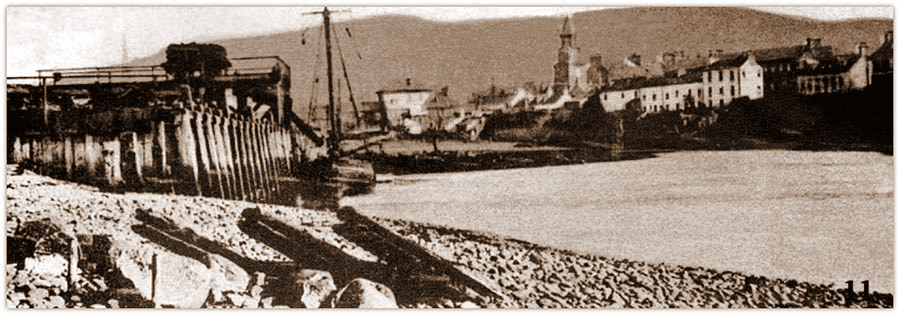
The shipping of coal began from Girvan harbour in 1837 when a small quay for coal and grain was constructed before which the harbour was reported to be in a 'state of nature'. However it was not until 1869 when the Glasgow and South Western Railway line was carried over the river that the coal shipping really took off. By 1885 the Bargany and Dalquharan pits were shipping large quantities of coal to Ireland and in 1905 the Coal Shute was widened to accommodate wagons that could hold 8 to 10 tons to meet increasing demands. However the increased workload on the Coal Shute resulted in repairs being required on a constant basis with coal owners regularly complaining about the state of the equipment. The lifting gear in particular which was housed at the end of the Coal Shute appeared to suffer the most due to undermining of the pilings by bad weather and dredging of the harbour. It is noted in the Girvan Harbour Commissioners records that the coal owners complained about the safety of the equipment whilst the Harbour Master noted the unsafe practises used by workers when operating the lifting gear at the Coal Shute.
However nothing was done to improve matters until a workman was killed in 1908 after losing control of the winch at the Coal Shute.
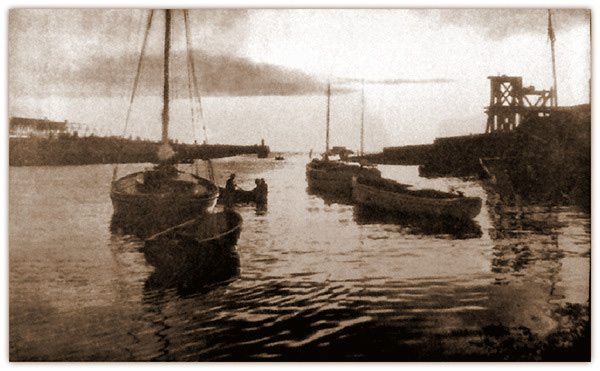 Although the first 10 years of the 20th century saw coal remaining a vital export from the harbour providing valuable revenues for the maintenance of the harbour basin, the second decade saw a gradual decline in this export with tonnage dues falling from £403 in 1910/11 to £18 by 1915. One reason for this decline was the loss of Revenue of £349 from the Killochan Coal Company which had gone into liquidation in Feb 1915 but most mines were now also selling mainly to the home market. Although the first 10 years of the 20th century saw coal remaining a vital export from the harbour providing valuable revenues for the maintenance of the harbour basin, the second decade saw a gradual decline in this export with tonnage dues falling from £403 in 1910/11 to £18 by 1915. One reason for this decline was the loss of Revenue of £349 from the Killochan Coal Company which had gone into liquidation in Feb 1915 but most mines were now also selling mainly to the home market.
The last shipment of coal took place in 1918 and resulted in a tonnage due of just over £1 and the Girvan Harbour Commissioners were forced to hold an emergency meeting to consider the future of the harbour, as there were "no funds available for maintenance as the ordinary standing charges were much in excess of revenue. They struggled on for a few more years during which time a number of the harbour facilities including the Coal Shute fell into disrepair and the harbour silted up due to failures to carry out regular dredging.
In 1922 the Commissioners were considering closing the Harbour completely but thanks to detailed negotiations successfully transferred control of it to Girvan Town Council in September 1923.
By 1939 the wooden portion of the Coal Shute had deteriorated considerably with the Burgh Surveyor noting the requirement for extensive repairs, but in view of the cost of these repairs the council only carried out minor works to make the site safe.
After violent storms in 1990, which severely damaged the path in front of the coal dock the remaining pillar, which carried the track across the path to the Coal Shute, was toppled into the harbour. The remnants of the pillar can still be seen on the shoreline.
| 1837 |
A small quay for coal and grain was constructed before which the harbour was reported to be in a 'state of nature' |
| 1869 |
The Glasgow and South Western Railway line was carried over the river to ship coal from Bargany Mine to Ireland. |
| 1885 |
Coal from Bargany and Dalquharan pits being shipped to Ireland |
| 1905 |
Coal Shute widened to accommodate wagons that could hold 8 to 10 tons |
| 1905 |
Bargany Coal Company shipped in excess of 5000 tons of coal |
| 1905 |
Bargany Coal Company complain about safety of coal winching equipment |
| 1905 |
Workman killed after losing control of winching equipment |
| 1908 |
Safer winch installed at cost of £6 on the instructions of HM Inspector of Factories |
| 1915 |
Killochan Coal Company goes into liquidation |
| 1918 |
Last shipment of coal from shute resulted in a tonnage due of just over £1 |
| 1922 |
Harbour Commissioners hold emergency meeting to consider future of harbour |
| 1922/23 |
Coal Dock Falls into disrepair |
| 1922 |
Control of Harbour transferred to Girvan Town Council |
| 1939 |
Burgh Surveyors report on repairs required to maintain coal shute. Council agrees that in view of the cost of these repairs it will only carry out minor works to make site safe. |
| 1990 |
After violent storms the remaining pillar which carried the track across the path to the coal shute was toppled into the harbour for safety reasons |
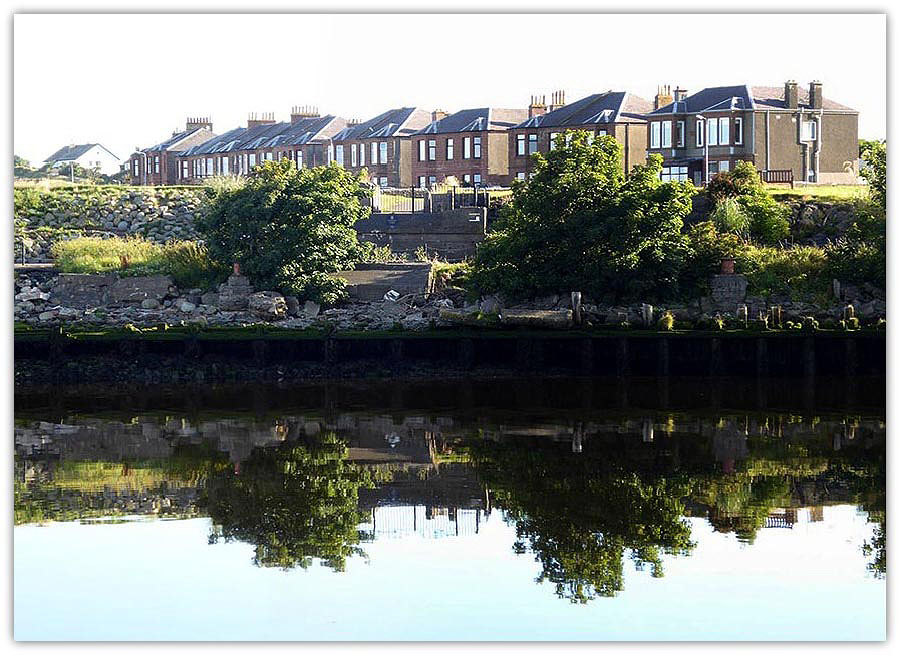
Looking towards what is left of the Coal Quays now
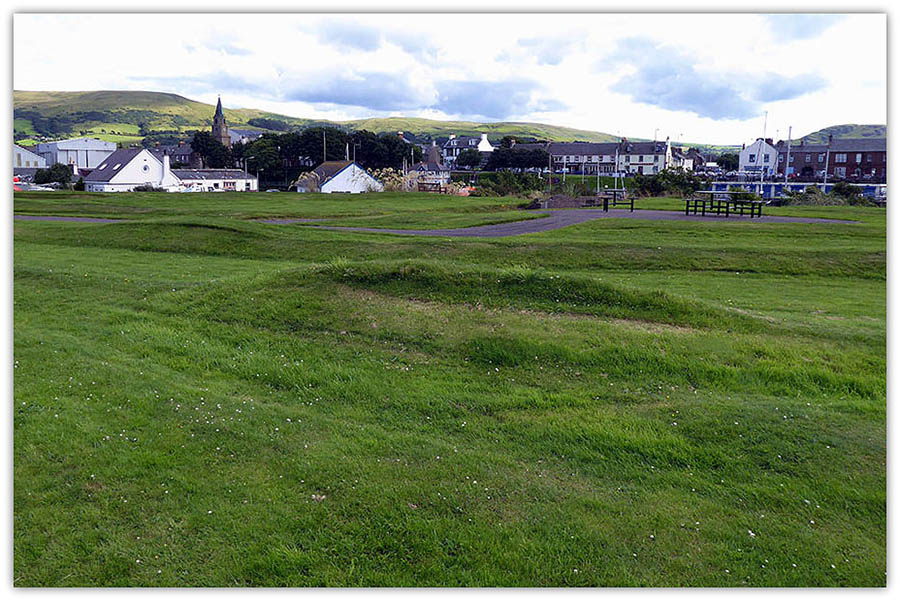
You can still see where the railway lines were
| 


