These Pictures Show The Demolition Of Shireoaks Colliery In 1991
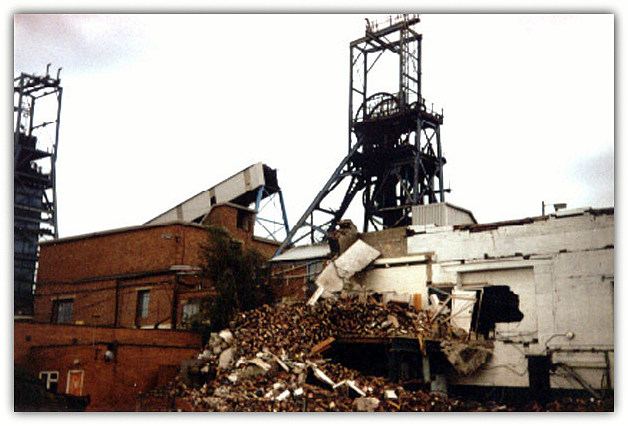
Start of Demolition
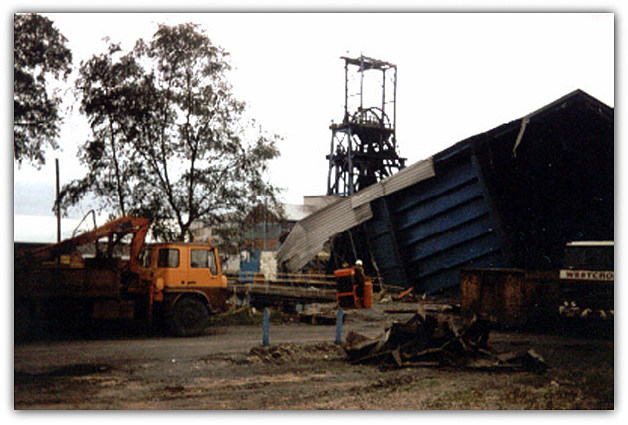
Ongoing Demolition
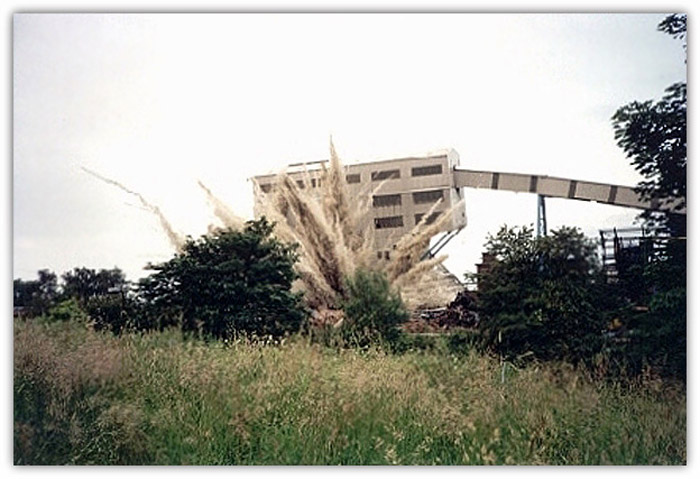
Main Bunker
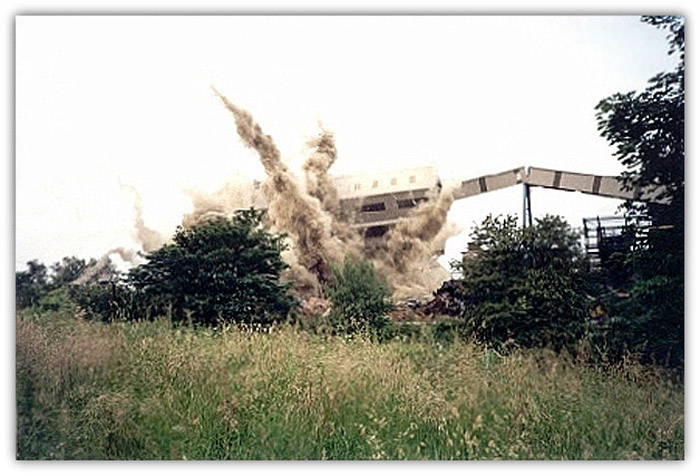
Main Bunker
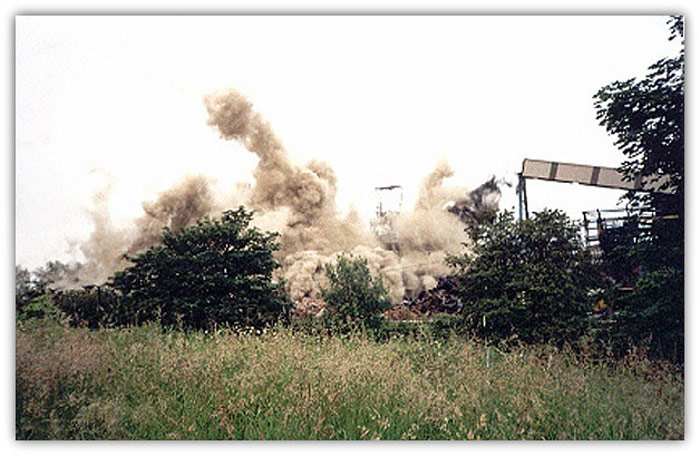
Main Bunker - Down She Goes
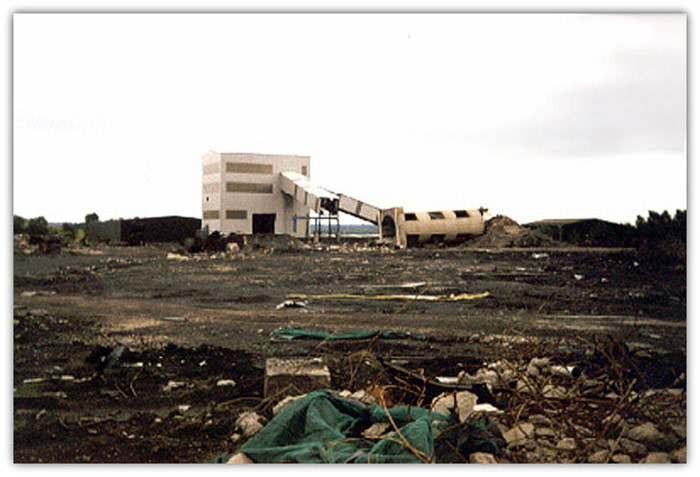
Looking Desolate
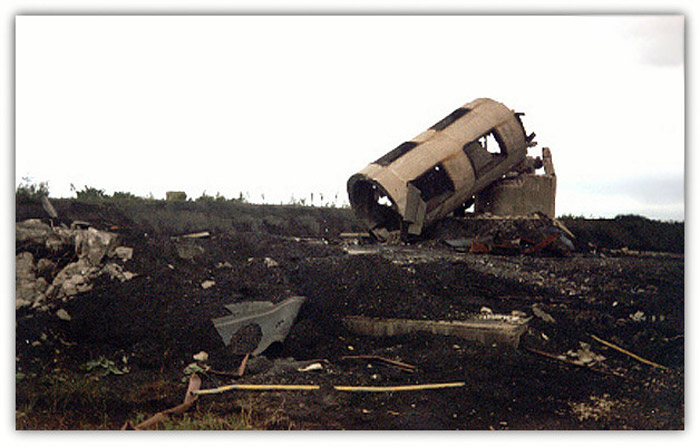
Desolation
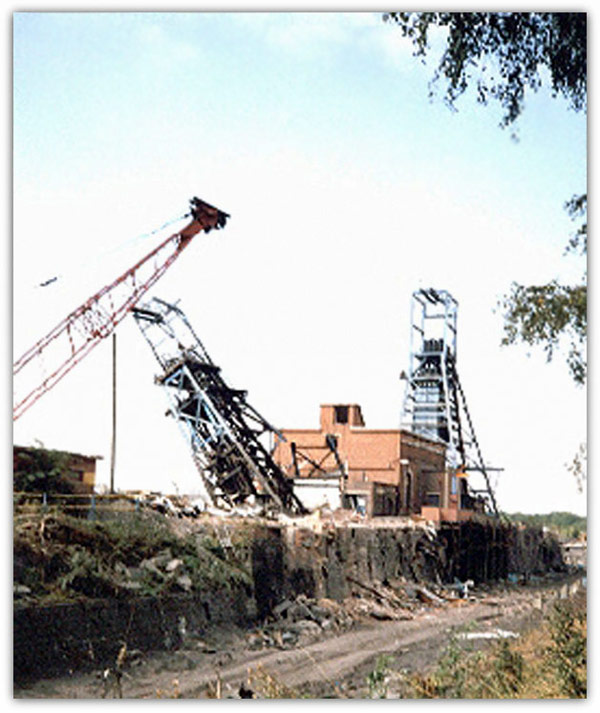
Pithead Being Toppled
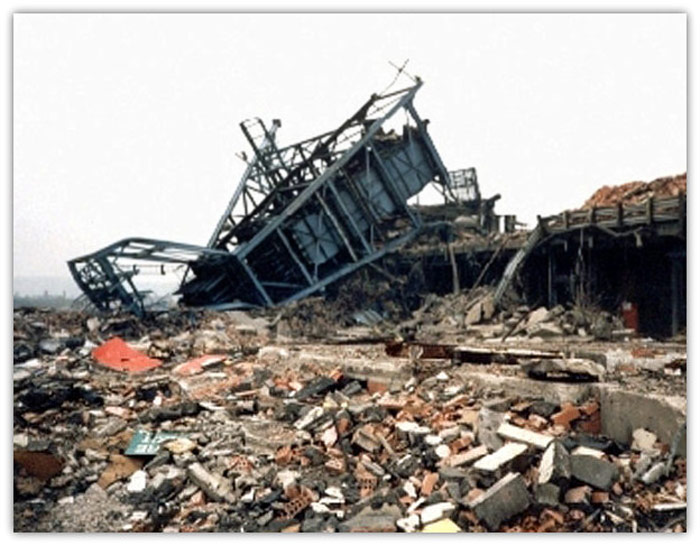
Down They Go

Shireoaks Headgear Being Demolished
Shireoaks Iron Shafts
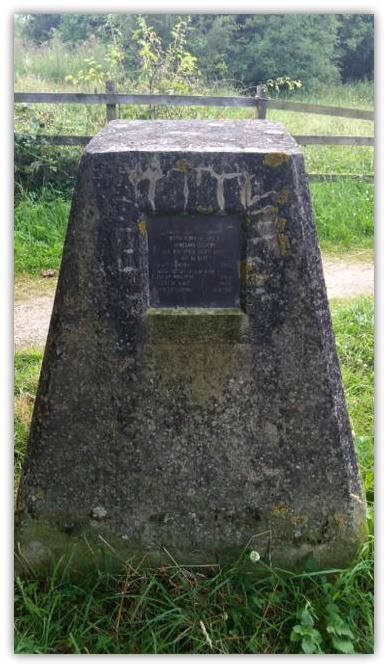
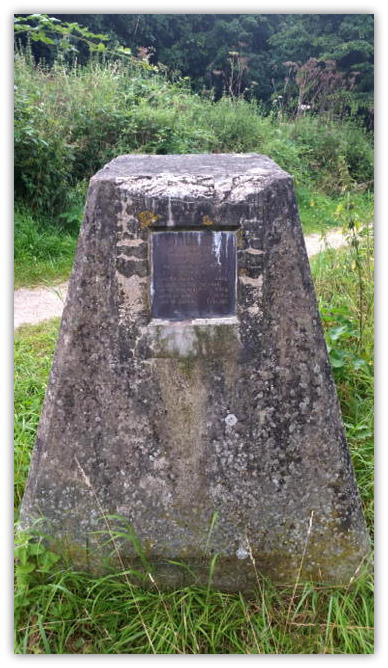
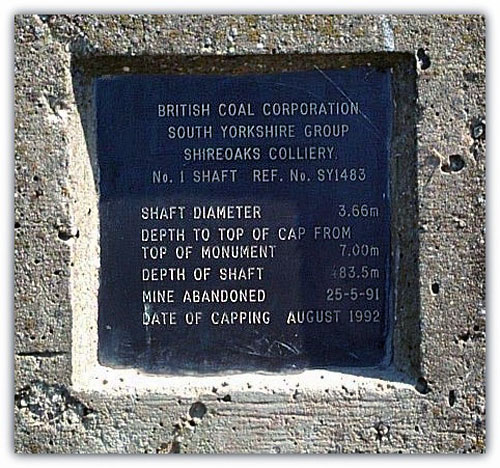 Just came across these two cappings, and did not know what they were. Having asked around, this is the answer. Just came across these two cappings, and did not know what they were. Having asked around, this is the answer.
In its early days, Shireoaks colliery was a very self-contained unit including smelting of its own iron in the surface foundry. A foundry, pre-dating the colliery had been working on the site since around 1830, extracting and smelting iron on site. The haematite (ironstone) bands had been further proved during shaft-sinking of the colliery and apparently the ore yielded an average of 42% of metallic iron. Shireoaks colliery absorbed the foundry and extended the ironstone mine in March 1861, when it was purchased from a Mr Dawes at a cost of £700. The two shafts, known as “North” and “South” shaft, were each 8.5 feet in diameter and descended to a depth of 80 yards. The shafts were located at a site just north of the railway line, close to the footpath which ran from the later site of the pit baths to Shireoaks village. The brick walls around the sealed off shafts remain today. It is not known when the ironstone mine ceased production, but both the papers of the Duke of Newcastle and the mine plans confirm that it was still producing ironstone in 1863. It is not thought to have continued for long after this date – indeed an 1884 Ordnance Survey map shows “old shaft” marked at that location. It is known, however that the old shaft winding houses were used as stables for pit ponies up until the 1950s.
Regards
George Bell
|