2021
Will development for the new drift mine in Cumbria proceed? The arguments for and against continued and finally it was refused permission in 2021.

2022
However in late 2022 there was a change in policy and it was stated that it was again possible for the Cumbrian mine to go ahead, even against the Green lobby and Global warming etc.
Where will the miners and management come from, and how many? Possibly foreign labour.
Who could purchase the enterprise and who would train the miners?
It has been quoted that the mine could produce 3 million tonnes of coal when fully operational. I doubt that. I have written about all new mines sunk after nationalisation from 1947. Out of around 50, and using modern equipment and ideas only about half a dozen of them achieved the planned output.
On Behalf of the People: Seventy-Fifth Anniversary of the Nationalisation of the British Coal Mining Industry – The East Midlands Coalfield
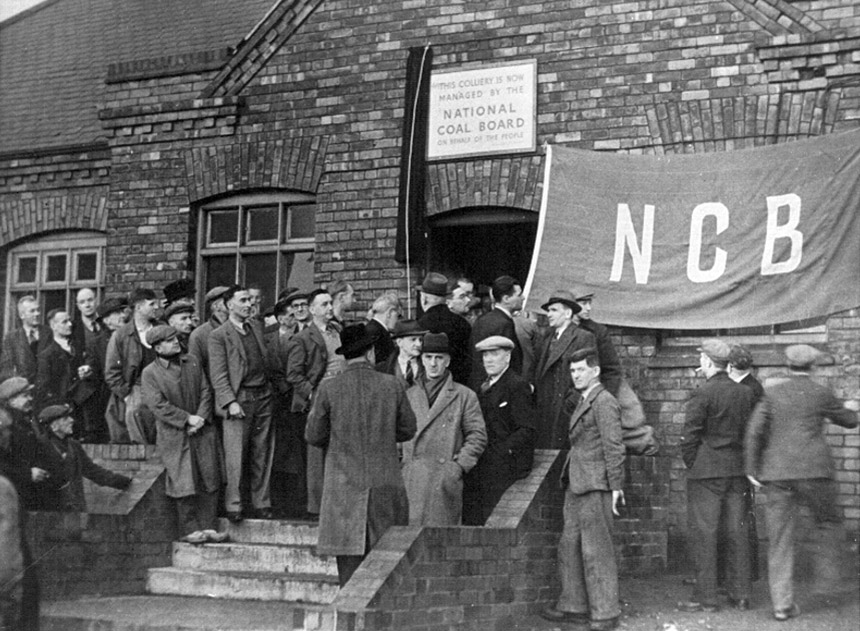
Figure 1: Vesting Day Celebrations at Gedling Colliery, Nottinghamshire, East Midlands Division No.6 Area.
Photo Credit: Coal Authority
The 1st January 2022 was the seventy-fifth anniversary of the Commemoration
of the nationalisation of the British coal mining industry and the formation of the National Coal Board (NCB). In early January 1947, notices were erected at collieries throughout Britain, which proclaimed, 'This colliery is now managed by the National Coal Board on behalf of the people.
The Nationalisation Act passed through Parliament in July the previous year and 1st January 1947 became known as Vesting Day. Nationalisation of the mines was first suggested in the 1919 Sankey Commission report and was a long sought after goal for the coal mining trade unions, especially the Miner’s Federation of Great Britain (1889-1944), the forerunner to the National Union of Mineworkers (NUM) inaugurated in 1945.
Figure 2: News Review on Nationalisation of British Coal Industry
At 10.30am on 1st January 1947, Manny Shinwell, Minster of Fuel and Power in Clement Atlees Labour Government, presented a bound copy of the Nationalisation Act to Lord Hyndley, the first Chairman of the NCB, at a special ceremony attended by the Prime Minister, some Cabinet members and representatives from the mining unions. Afterwards, Lord Hyndley hoisted the NCB flag over House, the first London HQ of the NCB.
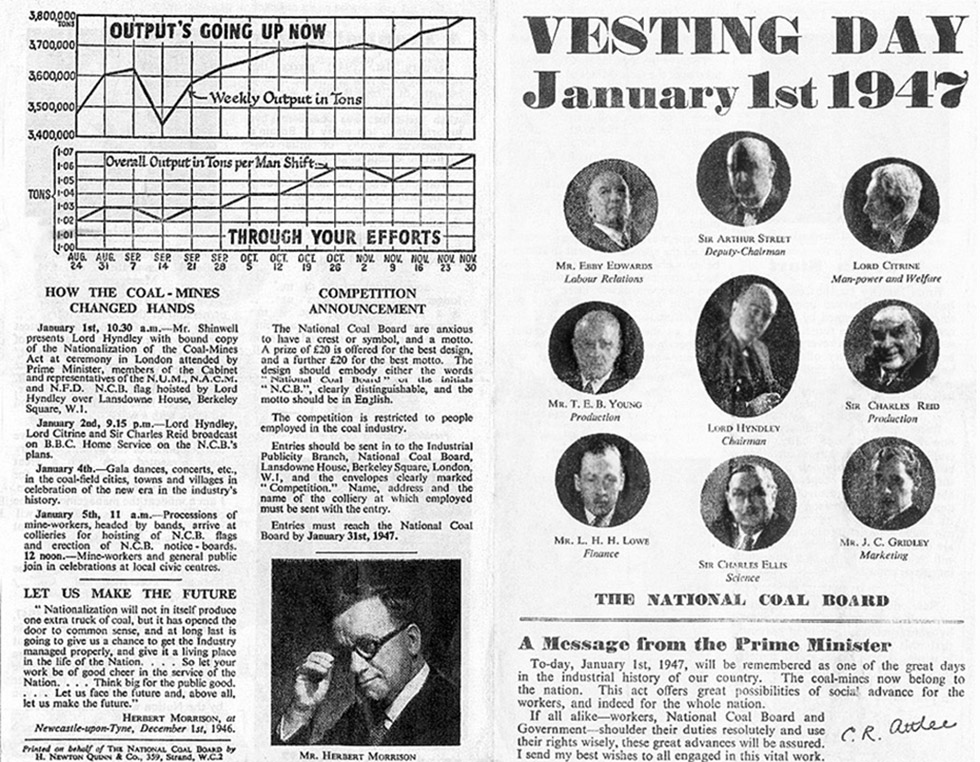
Figure 3: Vesting Day Pamphlet. Photo Credit: Mubu Miner Collection
Following Vesting Day, four days of celebrations took place throughout the coalfields of Britain to usher in the new era for the coalmining industry. In the East Midlands, celebrations took place at several sites including Sherwood Colliery, Nottinghamshire, (then in No2 Area of NCB East Midlands Division). At 10am on Sunday 5th January 1947, a parade left Mansfield Market Place on route for Sherwood Colliery where guest speakers included Sir Hubert Houldsworth, newly appointed Chairman for the NCB East Midlands Division, Bernard Taylor, Labour MP for Mansfield and a former Sherwood miner and Herbert Booth, Nottingham Area NUM Official. At Gedling Colliery, Nottinghamshire (NCB East Midlands No. 6 Area), Wilfred Miron, later to be Chairman of the NCB East Midlands Division (see Fig 1), unveiled the new NCB notice.
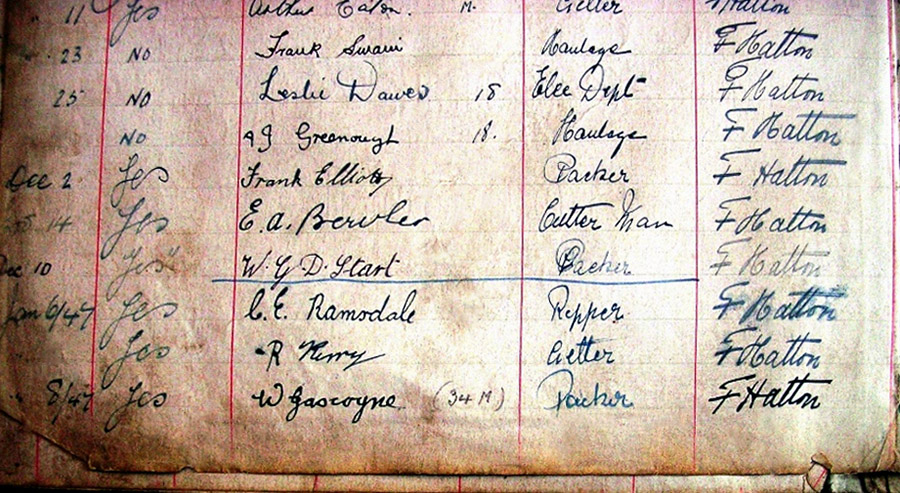
Figure 4: Shirland Colliery Signing on Book Showing Miners Employed in Late December 1946 and Early January 1947.
Photo Credit: Mubu Mubu Miner Collection
However, it would appear that not all Colliery Departments celebrated the new era for coal. In the colliery signing on book at Shirland Colliery, Derbyshire (NCB East Midlands No.4 Area) just a rough line was drawn between the last miner set on in 1946 and the first one set on under the NCB in 1947, with no mention of the new era for coal! (see Fig 4).

Figure 5: 1950's NCB Recruitment Poster
The Nationalised British Coal Industry would last for forty-eight eventful years. On its formation, the NCB went straight into a major crisis with the extreme winter weather of early 1947 with coal being in short supply. For the first ten years it was very much about the new organisation finding its feet with the main aim on supplying the country's main energy source as life in Britain reconstructed after World War Two. The Clean Air Act of 1956 was passed and from 1957 severely restricted the mining of certain coal seams due to air pollution. This led to pit closures. However, from the late 1950s rationalisation set in as other fuels namely natural gas and oil became readily available and from that time it was a case of the NCB and its successor, British Coal (BC), trying to manage the decline of the industry. Two distinct eras of decline occurred in the nationalisation period, the first from the late 1950s to 1970, to be followed by another from the early 1980s to 1994. The East Midlands coalfield was not immune from the effects of rationalisation and closures in both of these periods.

Figure 6: British Coal Sign at Annesley Colliery, Nottinghamshire, in 1993.
Photo Credit: Mubu Miner Collection
The NCB also had to deal with three significant strikes, the first two in 1972 and 1974 over wage increases and conditions and the 1984/85 strike lasting around 12 months by the majority of the country’s miners was over proposed pit closures. Added to this was the coal crisis of October 1992 to March 1994. In 1986, the NCB changed its name to the British Coal Corporation (BCC), a year later dropping the Corporation bit and just being known as British Coal (Fig. 6)
On 1st January 1995 a much-slimmed down coal industry went back into the private sector. The ceremony for this took place in the East Midlands at Asfordby Mine, the ‘Super Pit’ near Melton Mowbray in Leicestershire, where Tim Eggar and Richard Budge (RJB Mining) ushered in a supposed new era for British coalmining. That era would last just twenty-one years to 2015 when the last three large British deep mine collieries, Hatfield Main, Thoresby and Kellingley were closed.
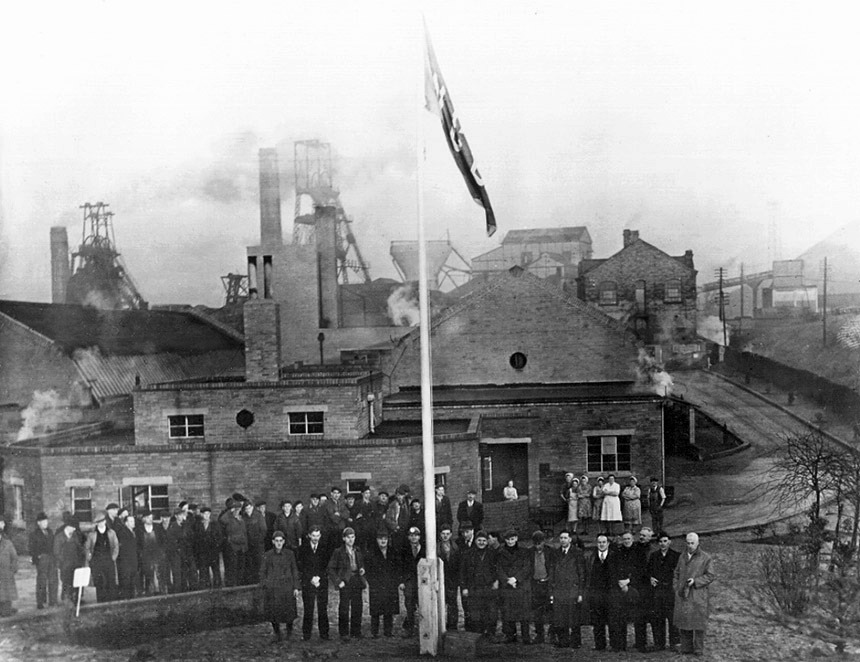
Figure 7: Vesting Day Celebrations At Bolsover Colliery, Derbyshire, In The NCB East Midlands No.1 Area.
Photo Credit: Coal Authority.
The NCB East Midlands Division (1947-1967)
The newly created NCB East Midlands Division was one of nine regional divisions set up at nationalisation. Initially it was sub-divided into eight areas comprising of collieries in North and South Derbyshire, Nottinghamshire and Leicestershire. At Vesting Day the NCB East Midlands Division consisted of one hundred and sixteen large collieries (included in this figure are a number of colliery outstations for mine-water pumping etc.). The NCB granted licences to mine coal at twenty-three small private mines each with a workforce of a maximum of 30 men. Some of these small mines produced both coal and fireclay. Along with the collieries the NCB acquired five coking / by product plants, twelve brickworks, two pipe-works, six waterworks, 18,350 houses, one hundred and twelve farms and 14,300 acres of land.
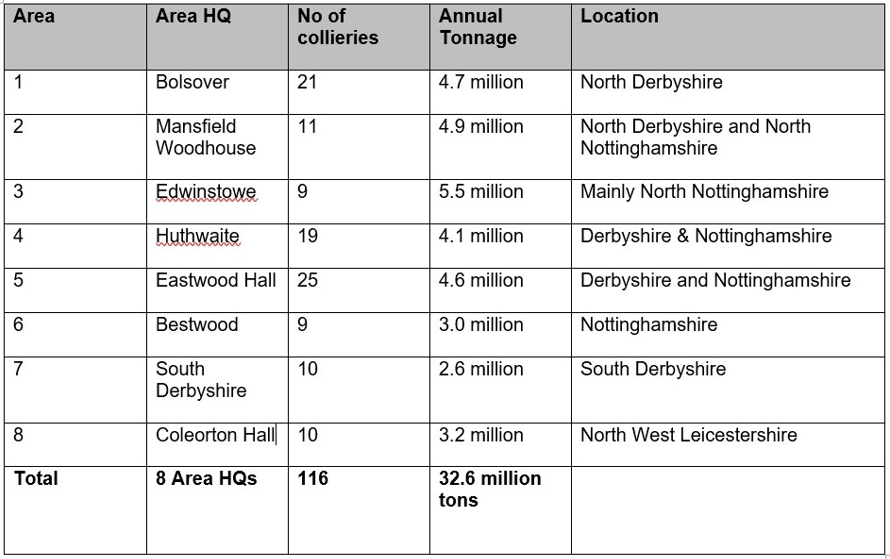
Figure 8: NCB East Midlands Division Details as at Vesting Day in 1947.
Manton and Firbeck Collieries both Nottinghamshire collieries were reallocated into the NCB North Eastern Division. In 1949 the first major reorganisation of the NCB after only 2 years saw the closure of No. 2 Area with HQ at Mansfield Woodhouse. The 10 collieries were reallocated into neighbouring East Midlands Nos 1, 3 and 4 Areas of Nottinghamshire and Derbyshire. Also in 1949, No 7 Area in South Derbyshire absorbed the disbanded collieries of No8 Area in Leicestershire, with the HQ at Coleorton Hall.
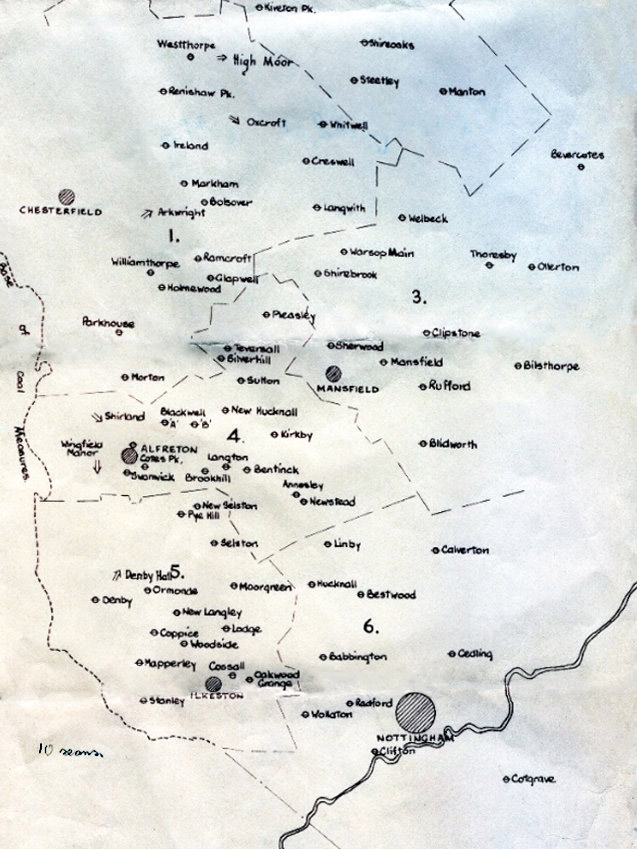
Figure 9: Map of NCB East Midlands Division in the late 1950's. Photo Credit: Mubu Miner Collection
In late 1966 No5 Area with HQ at Eastwood Hall was closed. By that time, just four collieries remained in operation from the twenty-five collieries at Vesting Day. Often, in accounts of the demise of British coalmining in the 1950’s and 1960’s, mention is made of the effects of pit closures and rationalisation in the peripheral coalfields of Scotland, the north-east and South Wales with little or no mention of the East Midlands. Derbyshire was one of the worst affected coalfields in Britain in this period, many of its miners travelling from pit to pit in a short period of time as each one closed, becoming known as ‘Industrial Gypsies’.
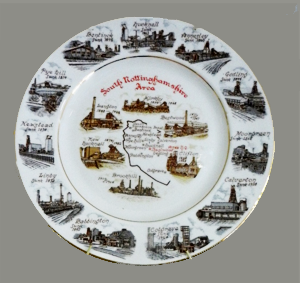
Figure 10: NCB South Nottinghamshire Area Commemorative Plate Designed in 1983.
Photo Credit: Mubu Miner Collection
NCB Reorganisation in the East Midlands: April 1967
In April 1967, a major NCB reorganisation took place and collieries in the former East Midlands Division were restructured into new areas. Nottinghamshire collieries formed into two new Areas; NCB North Nottinghamshire Area, with HQ at Edwinstowe and 15 collieries and NCB South Nottinghamshire Area with the HQ at Bestwood administering 18 collieries and all but one North Derbyshire colliery, Creswell, transferred to North Nottinghamshire Area and Warsop a Nottinghamshire Colliery transferred to North Derbyshire Area with HQ at Bolsover and the No7 Area collieries in Leicestershire and South Derbyshire were formed into the NCB South Midlands Area with HQ at Coleorton Hall. The latter Area also included the three remaining collieries in the Kent Coalfield.
By the autumn of 1968, five of the seventeen collieries in the NCB South Nottinghamshire Area at its formation just eighteen months previously, had closed. They were Clifton, Brookhill, Langton and controversially, two of the largest collieries in the Nottinghamshire coalfield at Bestwood and Kirkby (Summit).
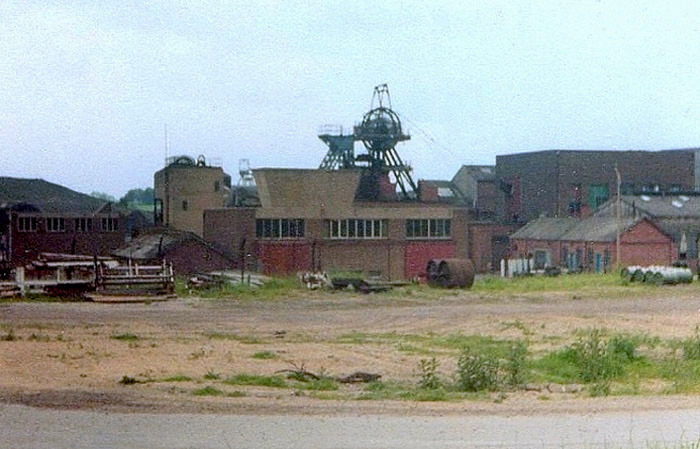
Figure 11: Teversal Colliery, NCB North Nottinghamshire Area, Just Prior To Closure In 1980.
Photo Credit: Bob Bradley Collection
In contrast, the NCB North Nottinghamshire Area did not see its first closure until Teversal Colliery in 1980. Sutton Colliery was known to have limited economic reserves from the early 1980’s and it finally closed in 1989. Both Sherwood and Mansfield collieries were working single entry, modern type room and pillar method of extraction on retreat using shearer machines and chocks to try to avoid excessive subsidence when mining under urban developments, which had increased significantly around Mansfield since the 1960’s. Thoresby, Welbeck, Ollerton, Bilsthorpe and Clipstone collieries were seen as the ‘big hitting, long life collieries of the Nottinghamshire coalfield’.
The NCB South and North Nottinghamshire Areas merged into one NCB Nottinghamshire Area in 1985 just prior to the NCB changing its name to British Coal. On the formation of the latter in 1986, Nottinghamshire collieries became part of the British Coal Nottinghamshire Group and Collieries in the former NCB North Derbyshire and South Midlands Areas went into British Coal’s Central Group. Later in 1993, as rationalisation of the British coal mining industry accelerated, remaining Midlands based collieries went into the British Coal Midlands Group.
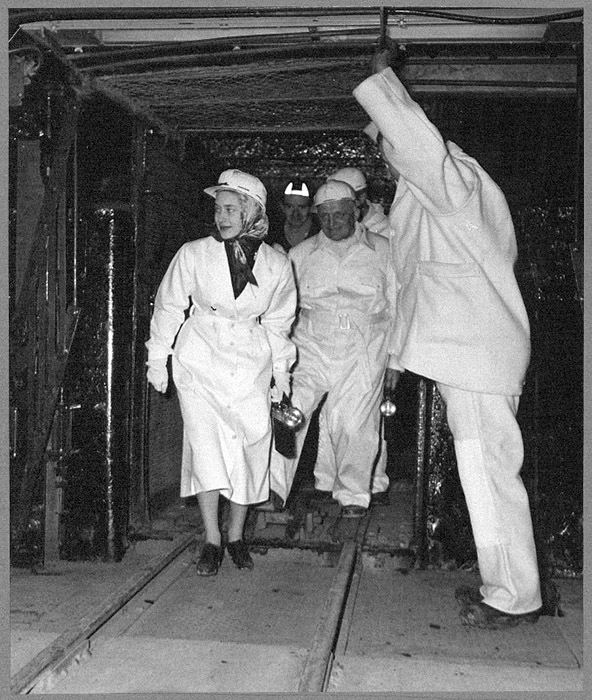
Figure 12: Princess Margaret Coming Off The Cage On An Official Visit To The Recently Opened Calverton Colliery In 1954 Photo Credit: Coal Authority
Sinkings and Major Developments in the East Midlands: 1947 – 1994
Because of its potential for high productivity and innovation, the NCB East Midlands Division became known as Roben's after Lord Alfred Robens. NCB Chairman from 1961 – 1971. Many miners from Scotland and the north-east coalfields of Durham and Northumberland, migrated to the East Midlands, especially to the Nottinghamshire coalfield to work at the new collieries at Calverton (opened 1952), Bevercotes (sinking 1952 - 1958, but opened for production in 1961) and Cotgrave (opened 1964).

Figure 13: Bevercotes Colliery, a 1950'S NCB Sinking in North Nottinghamshire. Photo Credit: Chad Newspaper
Bevercotes Colliery was planned with high technology and was to be the World’s first ‘push button’ colliery, but it was temporarily closed on two occasions in the 1960’s for major remedial work to take place. Firstly the shafts through the water-bearing measures had to be re-lined to stop the ingress of water. The first face in the Parkgate seam was equipped as a ROLF face but that failed after only a few metres advance due to poor roof conditions and major driveages were necessary to avoid faulting. Most of the workforce were temporarily transferred to other Nottinghamshire collieries nearby and on restarting production after some 2 years many of these men had settled in at their new location and refused to go back to Bevercotes. A massive recruiting campaign was put into operation particularly to attract men from the declining collieries in the Scottish and north-east coalfields.
No miner’s houses were constructed near Bevercotes Colliery but new housing was built at nearby Ollerton / Boughton. New houses were built at Calverton and Cotgrave and became known locally as ‘Geordie enclaves’. A 1968 NCB document states that half of the 1,300 strong workforce at Cotgrave Colliery was made up of migrant miners from Scotland and the north-east with the remainder coming from closed collieries in Derbyshire and Nottinghamshire.
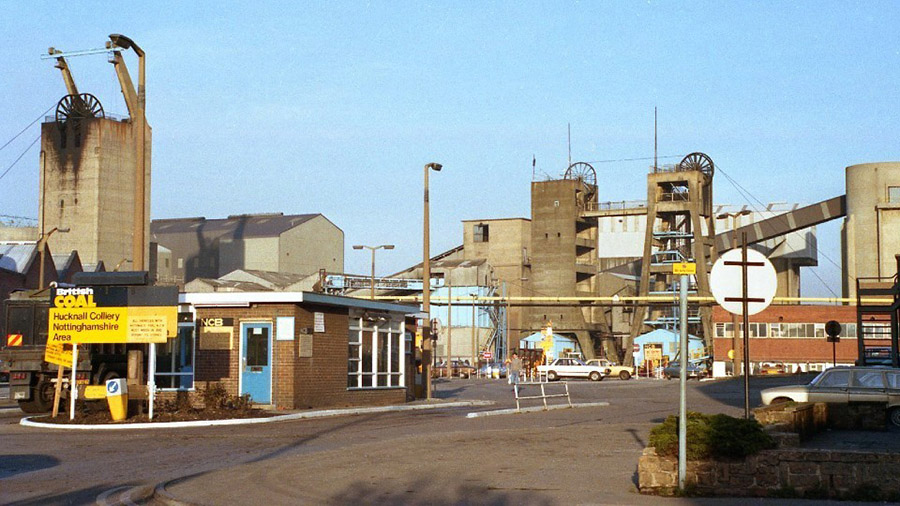
Figure 14: Hucknall No.2 Colliery With The 1950'S No.5 Shaft To The Left Of The Photo.
Photo Credit: Mubu Miner Collection
Like most of the British coalfields in the 1950’s / 60’s, many collieries in the NCB East Midlands Division saw major investment and reorganisation following the neglect by the privately owned mines during two world wars and the inter war period. In addition to the three new NCB collieries in Nottinghamshire, new shafts were sunk at Rufford and Hucknall No.2 collieries in the 1950’s to increase coal production (see Fig. 14). Large surface drifts were constructed at Bentinck, Pye Hill and Kirkby collieries in the 1960’s.
In the Derbyshire coalfield new drift mines were commissioned at Shipley Woodside in 1948, Bramley Vale at Glapwell in 1958 and High Moor also in 1958. The Avenue Carbonisation and Chemical Plant at Wingerworth, near Chesterfield, opened in 1956 and dealt with coal from the local mines.
NCB Central Workshops were opened in each of the NCB East Midlands Division’s Areas for the maintenance and repair of mechanical machinery.
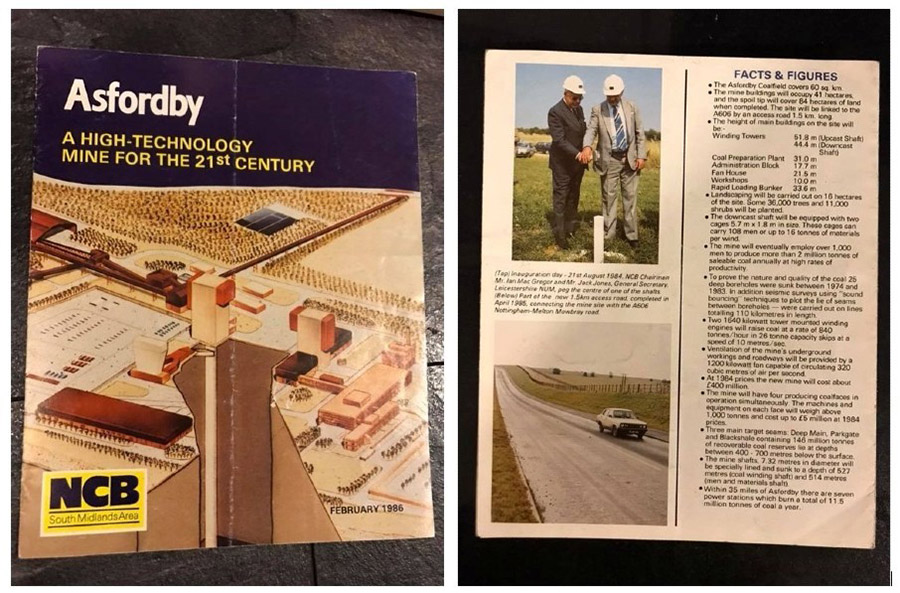
Figure 15: 1986 NCB Brochure For The Planned Asfordby Mine In Leicestershire.
Photo Credit: Mubu Miner Collection
The major development in the East Midlands in the nationalised period was the ill-fated Asfordby Mine, the planned Super Pit near Melton Mowbray, Leicestershire. It was developed to employ younger Leicestershire miners when the collieries around Coalville became exhausted in the 1980’s. Originally planned as part of the three mine ‘Super Pit’ complex, the North East Leicestershire Mining Project became more commonly known as ‘The Vale of Belvoir Prospect’.
A public inquiry scuppered the idea of the three-mine ‘Super Pit’ complex, the opposition to deep coal mining being led by the Duke of Rutland from Belvoir Castle.Only the Asfordby Mine was authorised, but it was situated to the edge of the area planned to be worked and was continually plagued with geological problems beginning by sinking one of the pair of shafts onto an old volcanic eruption that was impossible to work and so shaft sinking was abandoned at that horizon, the two pit bottoms were then at different levels being coupled together by a steep drift, immediately ruling out loco transport between the two. Coal faces were planned to work the unknown Deep Main formed by the combination of Deep Soft and Deep Hard seams. Unfortunately water in quantity in the lenses of volcanic rock overlying the seam broke through and flooded the working face and gates cutting off the ventilation, so the district had to be stopped off and abandoned. Thousands of metres of roadways were completed at phenomenal rates of advance in readiness for the development of Deep Main faces designed to produce up to 4 million tonnes per year. However the decision was made to abandon the colliery by RJB Mining in August 1997 after only 1.5 million tonnes in total had been produced in the two years from 1995 to 1997. From inception to closure, estimates of the cost to the taxpayer range from £0.5 billion to £0.75 billion, therefore in many coal mining circles it is referred to as the British coal mining ‘white elephant’ of all ‘white elephants!’

Figure 16: Thoresby Colliery, Known As The Jewel In The Crown Of British Coal.
Photo Credit: Mubu Miner Collection
End of Nationalisation in the East Midlands Coalfield
On the eve of the nationalised era for coalmining in the East Midlands in December 1994, just five collieries, all in Nottinghamshire, remained in production from the one hundred and sixteen at Vesting Day. These were Thoresby, Welbeck, Bilsthorpe, Harworth and Clipstone, the latter having been reopened by RJB Mining on a lease basis. Thoresby Colliery was known as ‘The Jewel in the Crown’ of the British coalfield because of its phenomenal output over many years (Fig. 16). Two other former South Nottinghamshire collieries, Calverton and the Annesley Bentinck Complex, both restarted production in 1995 by RJB Mining and Coal Investments respectively.
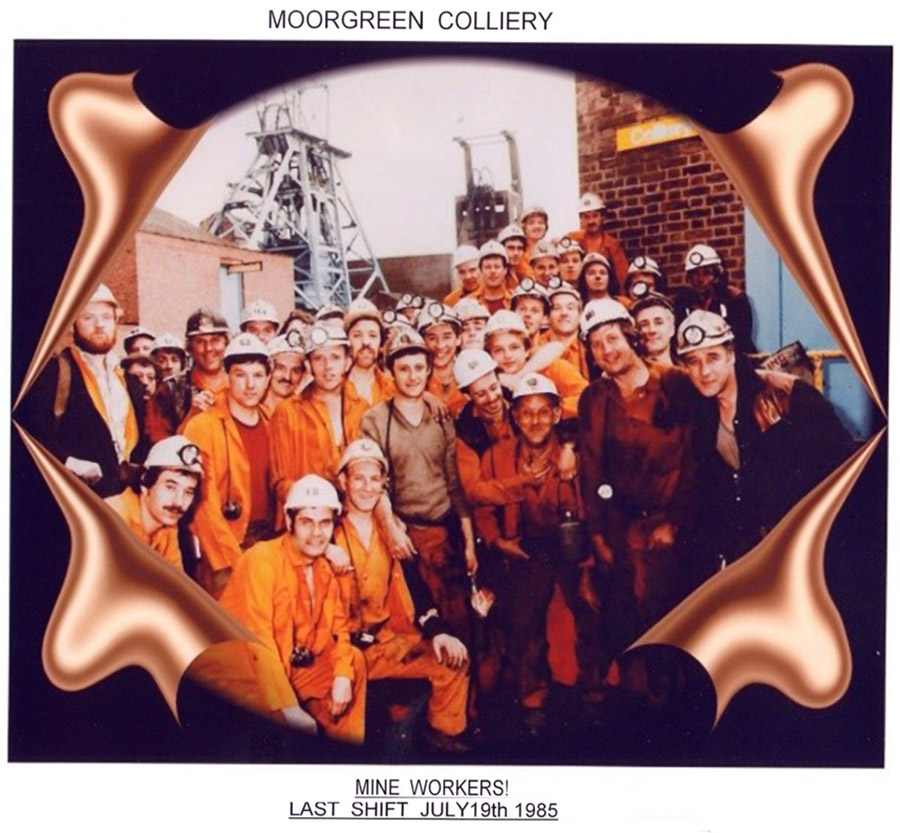
Figure 17: Last Shift at Moorgreen Colliery, Eastwood, Nottinghamshire On 19th July 1985.
Photo Credit: Unknown
The last two collieries on the edge of the exposed coalfield on the Derbyshire / Nottinghamshire borders, Moorgreen and the Pye Hill complex, both closed in the summer of 1985. These were the last two collieries in the former East Midlands Division No. 5 Area. Agreement for a rundown to closure had been agreed in 1983 between the NCB South Nottinghamshire Area and the Nottingham Area of the NUM, because of exhaustion of viable reserves. Miners under the age of 50 transferred to other Nottinghamshire collieries with the over 50’s taking advantage of the enhanced redundancy terms introduced under the Redundant Miners Pension Scheme (RMPS) in April 1983.
See Blogs of Moorgreen and Pye Hill collieries at;
https://miningheritage.co.uk/moorgreen-colliery-40th-anniversary-of-closure/
https://miningheritage.co.uk/salistune-sunset-the-end-of-deep-coalmining-in-a-nottinghamshire-parish/

Figure 18: Markham colliery, The Last Large Colliery In The North Derbyshire Coalfield, Which Closed In 1993.
Photo Credit: Mubu Miner
The End of Deep Coal Mining in North Derbyshire
The last deep mining in the former NCB North Derbyshire Area were Bolsover, Shirebrook and Markham collieries, closing in the spring and summer of 1993, the latter ending deep coalmining at large collieries in north Derbyshire. Markham was a massive coal mining concern with four shafts and a number of other outstations during its working life. It is now the site of the Markham Vale Business Park situated next to Junction 29A on the M1 motorway. The private Eckington Drift Mine in North Derbyshire continued to operate until it finally closed in January 2019 due to financial problems.
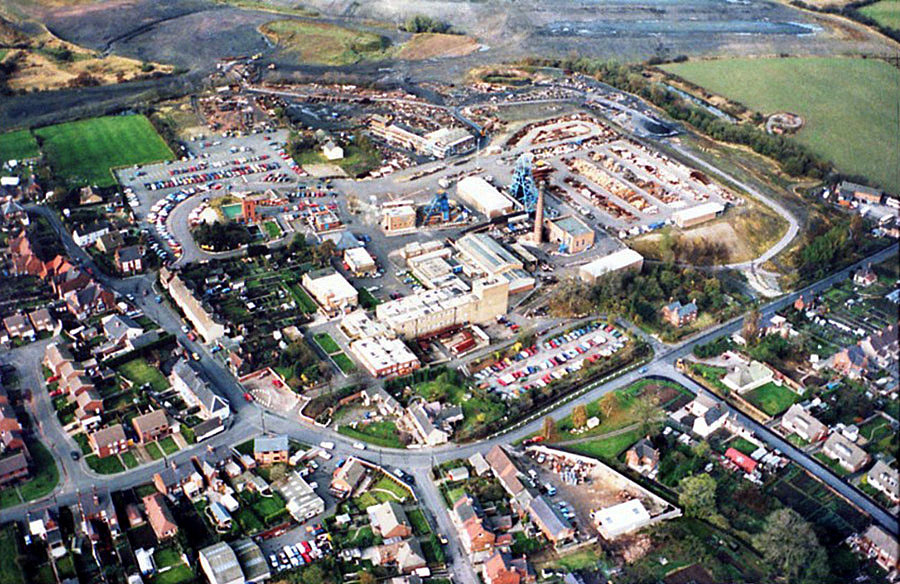
Figure 19: Donisthorpe Colliery, The Last Colliery In South Derbyshire, Just Prior To Closure In 1990.
Photo Credit: SDMPG
The End of Deep Coal Mining in South Derbyshire and Leicestershire.
Deep coal mining in the former NCB East Midlands Division No. 7 Area of South Derbyshire ended in 1990 and 1991 respectively. The Donisthorpe / Rawdon complex in South Derbyshire closed early in 1990 and when Bagworth Colliery in Leicestershire closed in February 1991 it ended deep coal mining in north-west Leicestershire after several centuries.
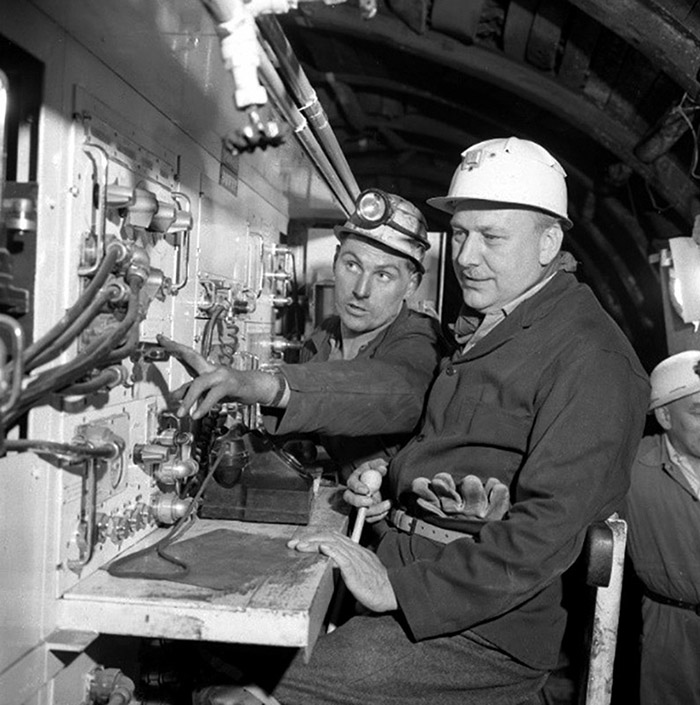
Lord Robens (Right) Inspects The Role Control Panal At Ormonde Colliery, NCB East Midlands No. 5 Area, In 1963.
Photo Credit: Coal Authority
End Notes: The Nationalised Coal Industry in the East Midlands
During the nationalised period of coalmining, the East Midlands coalfield was perhaps the most successful, in terms of mechanisation, productivity and labour relations throughout Britain. It was the biggest coal producing NCB Division in Britain producing almost a quarter of the national output. Many innovations were tried and tested there including Remotely Operated Longwall Faces (ROLF) at Newstead and Ormonde collieries in the 1960’s. In the 1970’s Pye Hill Colliery pioneered the use of several types of chainless haulage at the coalface, the system of moving the shearer along the coalface by driving directly on to a toothed rack instead of using a haulage chain. An underground, 25mph underground overhead electric manriding train was introduced at Gedling Colliery in 1983.
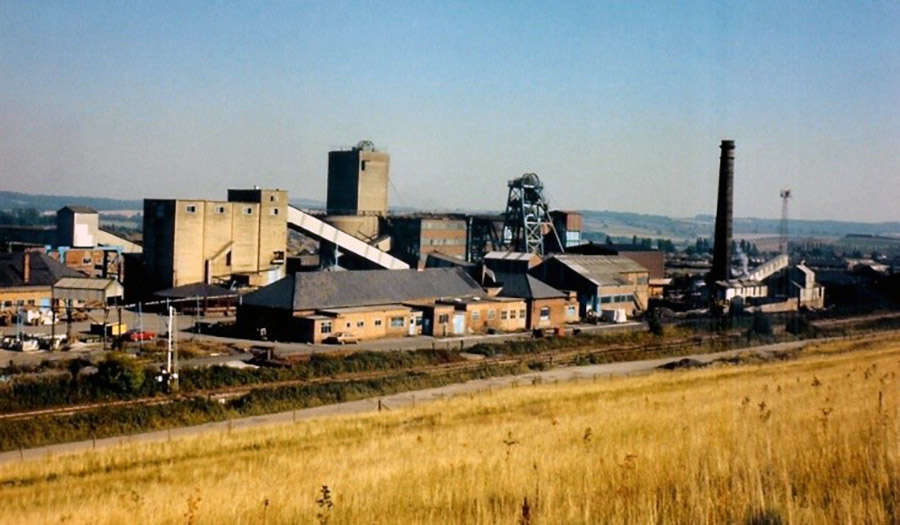
Figure 21: Linby Colliery In 1986, Two Years Before It Closed. Photo By Mubu Miner
In the 1960’s Linby Colliery was one of the most productive and profitable collieries in Europe, regularly producing a million tons of coal annually with a workforce of 1,000. Other ‘million-tonner’ collieries in the region’ known as ‘big hitters’, had much larger workforces therefore the coalface OMS (Overall tons per Manshift) at Linby was much higher. Following this period of high productivity, Linby started to struggle in the 1980s and closed in March 1988.
During its last eleven years of production in the nationalised period, the Annesley, Bentinck, Newstead complex increased production five-fold with overall tonnes per manshift (OMS) going from just over two tonnes in 1982/83 with a workforce of 3,800 to eleven tonnes per manshift in 1993/94. Newstead closed in March 1987 and Bentinck became a surface mine to transport Annesley’s coal from 1991.
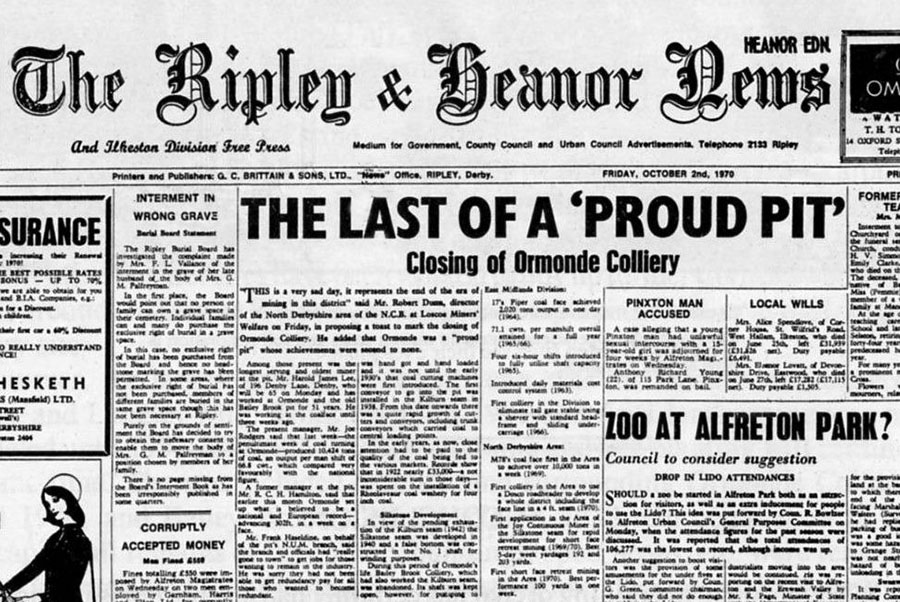
Figure 22: Closure Of Ormonde Colliery As Reported In The Ripley And Heanor News, 2nd October 1970.
It would be wrong to classify all the East Midlands coalfields as being profitable, long life collieries with easy coal! There is no ‘easy coal’ anywhere, in any coalfield, just some that is more difficult to mine than others! The East Midlands saw its fair share of rationalisation and closures from the late 1950’s onwards, especially in the Ilkeston to Alfreton corridor in Derbyshire during the 1960's. When Ormonde Colliery at Loscoe, closed in September 1970, it was indeed the ‘End of an Era’ as coal mining ended in that part of Derbyshire after several centuries. The mood of the time was perfectly captured in Owen Watson’s local dialect poem, ‘Wheer are't 'gooin when Ormonde shuts?’

Figure 23: Kirkby (Summit) Colliery In Early 1968 With The New Coal Preparation Plant To The Right.
Photo Credit: Coal Authority
Two of Nottinghamshire’s largest collieries at Bestwood and Kirkby (Summit) closed in 1967 and 1968 respectively because of geological problems. Just prior to closure, both collieries had workforces of around 2,000 each. The latter was a controversial closure as it scuppered plans for the Kirkby Super Pit. This was a planned merger of Brookhill, Langton and Kirkby Collieries, with a new surface drift and a Coal Preparation Plant at Kirkby with the adjacent railhead planned to take 1.5 million tons of coal annually to the then new Trent Valley coal fired power stations. The Trent valley from the 1970’s became known as ‘Megawatt Valley’ because of the large number of coal fired power stations located there.
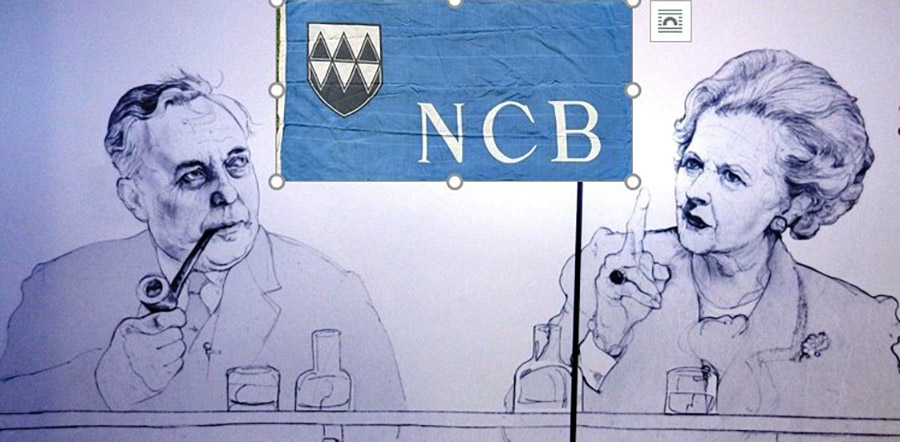
Figure 24: The Politics Of The NCB And The Nationalised British Coal
INDUSTRY. Politics and Pit Closures in the East Midlands
Politically, many of the East Midlands closures occurred under the 1964-1970 Labour Government of Harold Wilson with twenty-six collieries closing including those at Bestwood and Kirkby as previously mentioned. This would have repercussions in the early 1980’s when favourable redundancy terms for miners over 50 were available at the remaining collieries. As the coal industry again began to contract, older miners left the coal industry in droves, many being heard to say, “We’ve seen all this before under a Labour Government and we are off!” Some suggested an ‘inevitability of closure’ attitude had entered the psyche of many older miners.

Figure 25: Demolition Of Ollerton Headstocks In December 1994: Photo Credit: Chad Newspaper
In the 1980 to 1985 period, the East Midlands saw nine colliery closures, all of these taking place prior to or agreed before the year-long 1984-85 Miner’s Strike. These consisted of four closures in the Nottinghamshire coalfield, three in the Leicestershire coalfield and two in the North Derbyshire coalfield. The coal industry rapidly contracted from 1986 and by the end of 1995, the first year of the newly privatised coal industry, just seven East Midlands collieries remained open as previously mentioned.
Although economics and politics played a significant role in the nationalised period of British coalmining, overall, when considering deep coalmining, it should also be remembered that it was an extractive industry, at its best a speculative venture, which was prone to quirks of nature and human error. In this sense, the East Midlands was little different to any other coalfield!
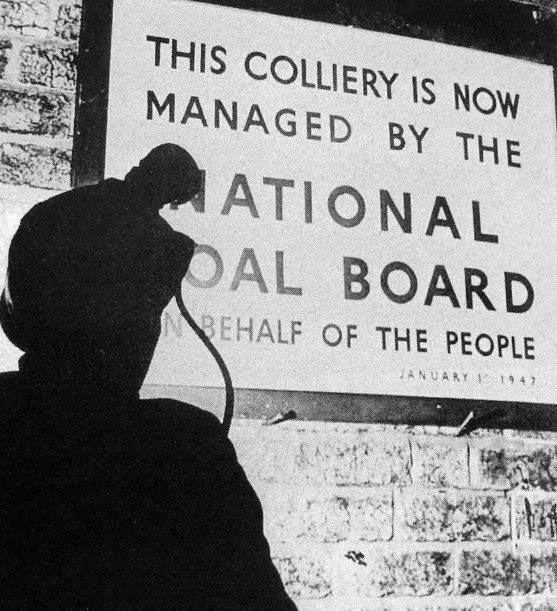
Figure 26: NCB On Behalf Of The People Notice
Beardsley, in his memoirs of coalmining around the Ilkeston area of Derbyshire (NCB East Midlands No. 5 Area) made an interesting observation that as time went on in the nationalised period, the NCB ‘On Behalf of the People’ notices became dilapidated and eventually fell down. Nobody bothered to repair or renew them. He commented ‘it was as if the promises of the future had gone the same way as the notice boards!’
Posted by MuBu Miner
January 2022
References
• Amos, D. A Brief History of Annesley Colliery 1865 – 2000, Eastwood, 2001.
• Amos, D. and Braber, N. Coal Mining in the East Midlands, Sheffield, 2017.
• Beardsley, L. Notes on Coalmining around Ilkeston, Ilkeston Library, date unknown.
• Blackwell Colliery Co. Shirland Colliery Signing on book, 1880’s to 1960, in the possession of the Pinxton and South Normanton Local History Society.
• Braber, N and Amos, D. Coal in the Blood: An East Midlands Coal Mining Anthology, Nottingham, 2021.
• Bradley, R. A Comprehensive History of Mining in the Derbyshire, Nottinghamshire and Leicestershire Coalfields, http://www.healeyhero.co.uk/
• Griffin, A.R. Mining in the East Midlands, London, 1971.
• Griffin, A.R. The British Coalmining Industry: Retrospect and Prospect, Hartington, 1977.
• Griffin, C. The Leicestershire Miners Volume III 1945 – 1988, Coalville, 1989.
• Kynaston, D. Austerity Britain 1945 – 1951, London, 2007.
• Mansfield Chronicle Advertiser, 2nd January 1947.
• NCB South Nottinghamshire Area, Coal Digest 1983-84, Bestwood, 1984.
• NCB South Nottinghamshire Area, Hucknall Colliery 1865 – 1986, Eastwood, 1986.
• NCB South Nottinghamshire Area, Moorgreen Colliery 1865 – 1985, Eastwood, 1985.
• NCB South Nottinghamshire Area, Pye Hill Colliery 1874 – 1985, Eastwood, 1985.
• NCB Pamphlet, Vesting Day: January 1st 1947, London, 1946.
• Watson, O. Strong in’t Arm: The Rhymes of a Marlpool Miner, Heanor, 1975.
• Weiss, M.R. The Leen Valley at Work 1785- 1985, Barnsley, 1996.
• Williams, J.E. The Derbyshire Miners, London, 1962.
• Wright, L. Further Notes on the Working of Kirkby Colliery, Nottingham Area NUM, February 1968
• Proof read and amendments by R Bradley. 25/1/2022
2023
It will take several years of development before production at Woodhouse mine begins. Will I be right or wrong? Only time will tell.
COAL MINES WORKING
Aberpergwm (Neath) producing anthracite
Ayle East (Northumberland) producing anthracite
FOREST OF DEAN coal mines in Gloucestershire producing intermittently
Buckholt
Cannop Drift
Freeminers Folly
Hopewell
Monument
Morses Level
Oakenhill
Reddings No2
Wallsend
Phoenix (care & maintenance)
PROPOSED NEW COAL MINES
Lochinvar … (Dumfries)
New Crofton … (North Yorkshire)
Woodhouse … (Cumbria) (mentioned earlier)
TOURIST COAL MINES with underground tours
Apedale museum (Staffordshire)
Big Pit museum (Gwent)
Caphouse (near Wakefield, North Yorkshire), National Mining museum
Beamish, Mahogany Drift (Co. Durham)
OTHER MINES OF VARIOUS MINERALS
- GYPSUM … 5 sites … Barrow (Leicestershire), Birkshead (Cumbria), Brightling (East Sussex), Fauld (Staffs) and Marblaegis (Notts)
- POLYHALITE … 2 mines … Boulby (and salt) (Cleveland), Woodsmith developing (North Yorkshire)
- SALT… 2 mines … Kilroy (County Antrim), Winsford (Cheshire)
- GOLD… 4 mines … Cavanacaw (Omagh), Clogan (care & maintenance), Cononish (Stirling), Dalradian developing (Omagh)
- BUILDING STONE … 11 mines … (Dorset and Wiltshire)
- SLATE … 2 mines … (Cumbria and Northants)
- SILICA SAND … 1 mine … (Ross and Skye)
- BARYTES… 2 mines … (Perth and Kinross)
- FLUORSPAR … 1 mine … (Derbyshire)
- DISPLAY GEMS … 7 mines … (Co. Durham, Cumbria, Perthshire)
- TIN … 1 mine developing (Cornwall)
MINES USED FOR STORAGE … 8 … (Cheshire, Wiltshire) Some used for Government records. Some 2.5 million records kept at May 2023.
PUMPING MINES … 4 … (Nottinghamshire, Lincolnshire, Cumbria and West Yorkshire)
OTHER MINES … 8 … (Berkshire, Cornwall, Denbigh, Derbyshire, Wiltshire)
Mining Gas Extraction Sites
The list below of the closed mines that gave up their methane gas to allow for use to power up the local grids.
Most have now flooded, leaving the higher coal seams only.
Askern - 2 old open shafts. (Yorkshire)
Bevercotes - deep borehole and stand alone mine so no flooding. (North Nottinghamshire)
Bilsthorpe - borehole that also takes the voids at Thoresby-Ollerton-Rufford and a small bit of Welbeck (that is now mostly flooded) (North Nottinghamshire)
Cadeby-borehole. (Yorkshire)
Clipstone borehole failed as it was sunk into flooded workings. (North Nottinghamshire)
Markham Main - borehole (Yorkshire)
Florence-borehole (Staffordshire)
Gedling-borehole (South Nottinghamshire)
Kings Mill Hospital - borehole into old Sherwood workings (North Nottinghamshire)
Maltby - open shaft - the others have been filled (Yorkshire)
Newmarket - borehole (Yorkshire)
Old Mill Lane - borehole into old Sherwood/Mansfield workings (North Nottinghamshire)
Prince of Wales - borehole into the main drift - this site sits on top of the original Colliery - the 2 main drifts were driven through to Pontefract under the old workings. (Yorkshire)
Toray Textiles borehole into the Mansfield / Clipstone voids. (North Nottinghamshire)
Warsop Main - borehole (North Nottinghamshire)
Wheldale Castleford - gas extracted from 2 open original shafts - massive void linking into Allerton Bywater. (Yorkshire)
Whitwell - borehole (North Derbyshire)
Shirebrook - borehole into the workings beyond the Jubilee Drift. (North Derbyshire)
Lots of others that have either been flooded on entry or flooded during operations - some have now been plugged and abandoned.
We had to look at all the old mine plans and seam sections to ensure we drilled in the correct place. The process of finding and then extracting methane gas is a science on its own.
Information supplied by Keith Mitchell, July 2023, (ex Electrical Engineer, Harworth then Alcane Energy company changed to Infinis).

TOURIST MINES FOR VARIOUS MINERALS …
Blue John x 5 (Derbyshire)
Lead x 9 (Derbyshire, Cumbria, Co. Durham and Dumfries)
Slate x 6 (Gwynedd, Powys, Cumbria and Cornwall)
Gold x 1 (Carmarthenshire)
Silver x 1 (Ceredigion)
Copper x 4 (Conwy, Gwynedd, Staffordshire and Devon)
Limestone x 2 (Dudley and Dorset)
Ironstone x 5 (Gloucester, Teeside, North Yorkshire, Shropshire)
Flint x 2 (Norfolk and Kent)
Sandstone x 1 (Surrey)
Chalk x 1 (Kent)
Tin x 3 (Cornwall)
MINES BEING PLANNED …
Coal x 3 (Dumfries, Cumbria and North Yorkshire)
Lithium x 3 (Co. Durham and Cornwall)
Tin x 2 (Cornwall)
Information supplied to me in May 2023 by R Leeming (retired HM Chief Inspector of Mines).
Pleasley Colliery Site, 9 July 2023, Special Open Day at the Museum
In first week in July 2023 at Fros-y-Fran one of three opencast coal mines in South Wales, protesters dragged a large pink coloured boat and blocked the road entrance to the site thus preventing coal deliveries.
The two other opencast sites are at Glan Lash and Margam.
Interest in mining still exists at several museums as stated. On Sunday 9 July 2023 there was a special Open day at the Derbyshire Grade 2 listed Pleasley Colliery site that has many artefacts in the museum with volunteer guides to explain the various items, plus the working winding engines that have been converted from steam to electric engines. The day was commemorate 150 years since the sinking of the mine. The mine closed at the end of 1983 and was merged with neighbouring Shirebrook Colliery which closed in May 1993.
I was pleased that 5 coloured plans I made using parts of Ordnance Survey sheets (Crown copyright, from Mining Records office abandoned mine plans at the Coal Authority) depicting the 5 seams worked at the pit are on display in the museum, part and each shows the extent of the workings.
Several side shows plus music by the ex-Colliery band added to the enjoyment of the day.
A Country Park with dog walking trails was created on the old waste tip, with ponds for fish and birds, plus dragon flies and other wildlife.
An adjacent part to the main visitor centre cafe allows dogs. Hot and cold drinks plus main meals and snacks are available every day app 10am to 2pm and run by volunteers.
All are welcome and can join the Friends of Pleasley pit and be a volunteer.
2024
The End of Energy Produced By Burning Coal
Ratcliffe-on-Soar
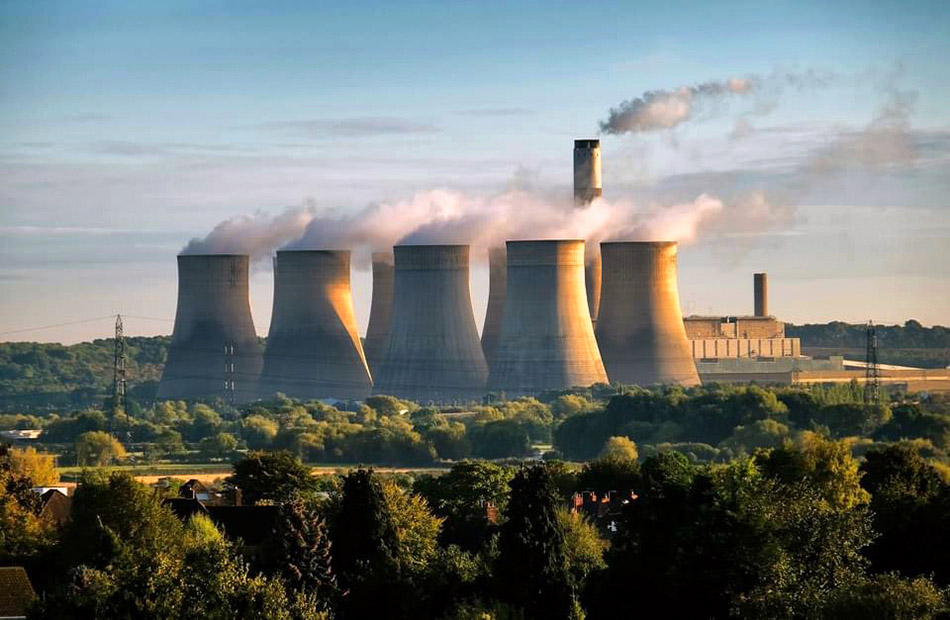
On the last morning of 30 September 2024 and in full steam

At midday and glorious weather
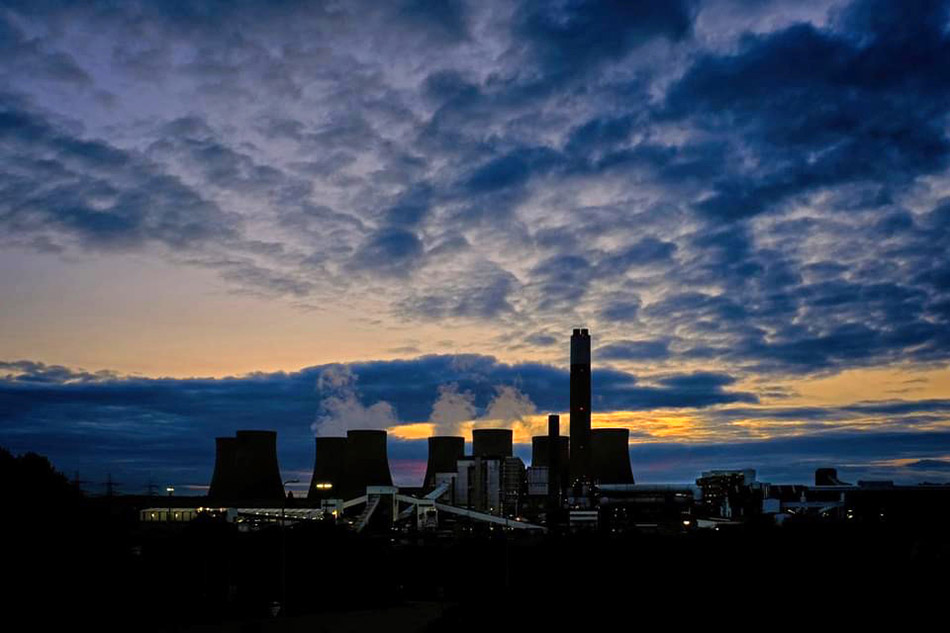
An eerie twilight
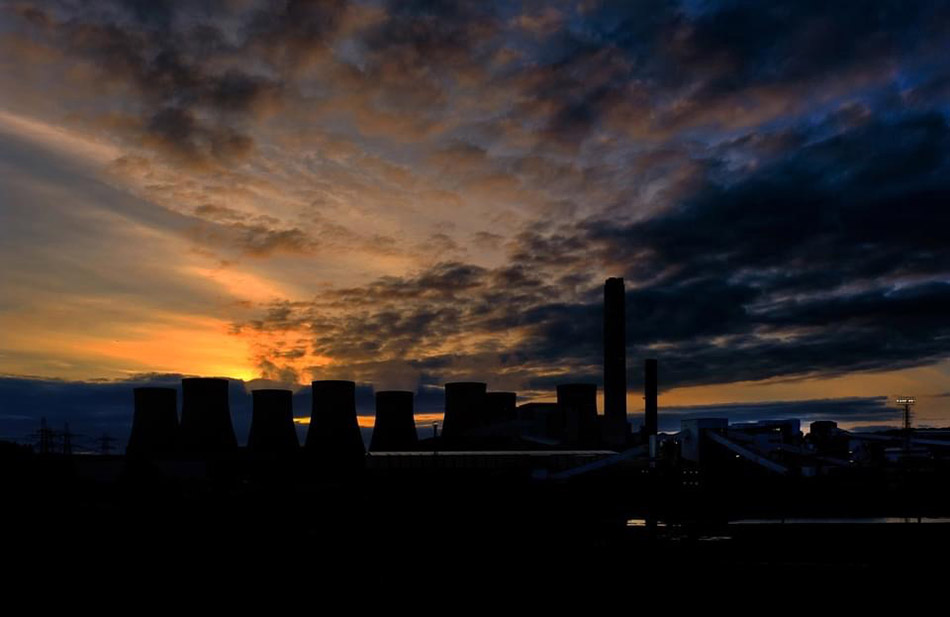
Sunset and the bitter end.
Above Photographs by Ian Castledine
The last coal fired power station in Britain, at Ratcliffe-on-Soar, Nottinghamshire, closed on Monday 30th September 2024 bringing to an end 137 years of coal burning in the UK to produce electricity. It will take up to 2 years to decommission it. |


